
Reviewed · PODGORICA TOURS
MONASTERY TOUR – Impressive Montenegrin Monasteries
Ostrog Monastery is the headline act, carved into a near-vertical cliff high above the plain. But the smart part of this day is that you reach it only after seeing three very different religious sites: a cave monastery, a modern cathedral, and a women’s convent. That gives you a better sense of Montenegro’s faith and culture than a quick drive straight to Ostrog.
I like the private format, since your guide can adjust the pace, arrange breaks, and explain details that matter to you. I also like the mix of places, especially quiet Ždrebaonik, which gives the day a calmer feel before the crowds and drama of Ostrog. The main drawback is the long road day, and Ostrog can be crowded, so this is not a restful sightseeing outing.
Key points to know before booking
- Dajbabe begins the day underground: This unusual monastery occupies a cave shaped like a cross, where nature and human work meet.
- The tour compares old and new Podgorica: You visit Dajbabe and the modern Cathedral of Christ’s Resurrection in the same day.
- Ždrebaonik adds a quieter stop: This women’s monastery includes a library, dormitories, and workshops where nuns make icons and souvenirs.
- Ostrog is the dramatic finale: The monastery is carved into steep rock at about 900 meters above sea level and draws people of many faiths.
- Your guide can shape the day: Tamara, Ivan, Moawyah, Lidia, and Darko have all led this experience, with special praise for their care, driving, and explanations.
- Pickup is flexible: You can request pickup wherever you prefer, with an option to depart from Podgorica, Kotor, or Budva.
Four monasteries, four very different experiences
This seven-hour private tour works because it does not treat Montenegrin monasteries as interchangeable photo stops. Each place has a different setting, mood, and story.
You begin at Dajbabe, move through Podgorica’s grand modern cathedral, continue to Ždrebaonik near Danilovgrad, and finish at Ostrog. The sequence builds well. The first stop is intimate and unusual. The cathedral is large and decorative. Ždrebaonik feels lived-in and personal. Ostrog delivers the most powerful setting of the day.
The price is listed at $132.53 per person. For a private tour, that includes an air-conditioned vehicle and all fees and taxes. You are not simply paying for transport. You are paying for a guide who drives, handles the day’s timing, explains the religious sites, and can adapt the plan to your group.
That value improves if you are sharing the vehicle with family or friends. A group discount is available, though the exact reduction is not stated. For a solo visitor, the price is higher than a standard shared excursion, but the private setting can be worthwhile if you want questions answered, flexible stops, or help with mobility.
A few more Podgorica half-days to weigh up
- Skadar Lake National Park Guided Boat Tour with Wooden Boat
★ 5.0 · 91 reviews - Best from our coast (Kotor bay, Budva, Sv Stefan, Skadar lake)
★ 5.0 · 79 reviews - GREAT MONTENEGRO TOUR Cetinje – Njeguši – Kotor – Budva – Bečići – Saint Stefan
★ 5.0 · 69 reviews
Dajbabe Monastery, a church inside the rock
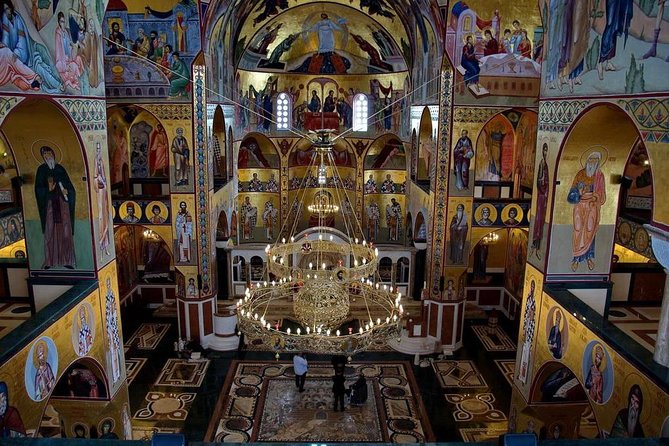
Dajbabe is a clever opening stop. Rather than arriving at a large church with a broad facade, you enter a religious site shaped by the cave itself.
The monastery occupies an adapted cave in rock formed in the shape of a cross. That physical setting matters. You are not just looking at an old building. You are seeing how worship has been fitted into the natural form of the place.
The visit lasts about an hour, and admission is free. Your guide can explain the monastery’s past and the way the cave became a sacred space. This is a good point in the day to ask questions, since the setting is small enough to feel focused rather than overwhelming.
Dajbabe is also useful as a contrast with the final stop. Ostrog is famous for its cliffside drama and large flow of pilgrims. Dajbabe feels more secretive and enclosed. If you prefer unusual places over grand monuments, this may be the stop you remember most clearly.
You should wear sensible shoes and be ready for a religious setting rather than a conventional museum. The supplied details do not specify the exact walking conditions inside, so anyone with mobility concerns should discuss the pace with the guide in advance.
Podgorica’s Cathedral of Christ’s Resurrection
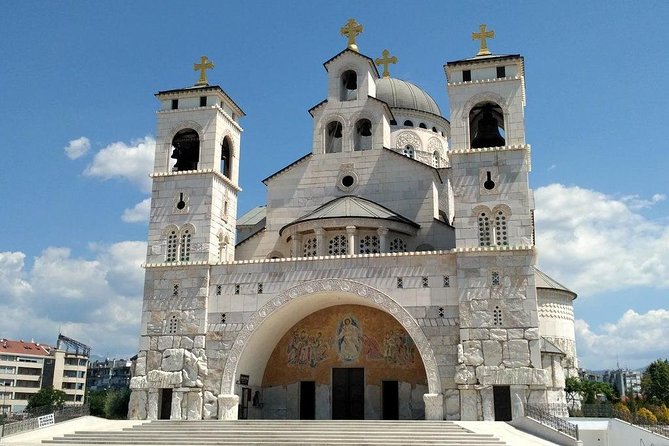
After Dajbabe, the tour shifts from an old cave sanctuary to the modern Saborni Hram Hristovog Vaskrsenja, also called the Cathedral of Christ’s Resurrection.
The church took 20 years to complete and uses construction and decorative methods that had not been in use for eight centuries. That makes it more than a quick stop for photographs. It is a deliberate modern statement about Orthodox Christian identity in Podgorica.
The visit is scheduled for about 45 minutes. That is enough time to look at the architecture, take in the scale, and hear how the cathedral fits into the city’s religious life. I like this pairing with Dajbabe because you can see two very different ideas of sacred space in one morning: one shaped by a cave, the other built as a major urban monument.
Admission is free. As with all the stops, remember that this is an active place of worship. Dress and behave respectfully, and follow any local instructions about photography or quiet.
This is one of the tour’s strongest educational choices. If you visited only Ostrog, you would see Montenegro’s best-known religious site but miss this useful link between old traditions and modern Podgorica.
Ždrebaonik, a working women’s monastery
The route then continues toward Danilovgrad and Ždrebaonik Monastery. Its story is marked by repeated destruction. The monastery was burned and demolished during each war that affected this area, yet it was rebuilt and remains active.
That past gives the place emotional weight without making the visit feel gloomy. You see a religious community that has had to endure, repair, and continue.
Ždrebaonik is a women’s monastery. The complex includes a library, dormitories, and areas where nuns make icons and souvenirs. These details make the stop feel more connected to daily life than a monument you simply walk around.
The scheduled visit is about one hour, and admission is free. This is a good place to slow down and ask your guide about monastic life, local religious customs, and the role of handmade icons.
Several guides have been praised for explaining these cultural details clearly. Tamara is especially noted for her warm manner, excellent English, and ability to adjust the tour to the needs of the person in front of her. Ivan has been described as passionate about Montenegro’s past and willing to avoid rushing. Moawyah has been praised for careful driving and good conversation.
A lunch or rest break can be arranged during the day. One account describes a stop by a lake, while another mentions lunch with a wide view. The exact restaurant or break location is not guaranteed, so treat this as a possible feature rather than a fixed part of the published route.
Same bay, a completely different sort of day:
- Skadar Lake National Park: Guided Boat Tour to Kom Monastery
★ 4.5 · 49 reviews - Durmitor – Black Lake & Tara River Canyon – North Montenegro tour
★ 5.0 · 41 reviews - Private transfers from Podgorica Airport and city to Budva
★ 5.0 · 41 reviews - Podgorica Historic, Safari and Winery tour – Skadar lake and River Crnojevica
★ 4.5 · 39 reviews
Ostrog Monastery, the unforgettable finish
Ostrog is the reason many people book this trip. It is carved into steep rock at about 900 meters above sea level and is one of the most visited pilgrimage sites in the Balkans.
The setting is the great visual payoff. The monastery seems to cling to the cliff, and the route up gives you a very different feeling from the quiet cave at Dajbabe or the open complex at Ždrebaonik.
The planned visit lasts about one hour and 40 minutes, making it the longest stop. That is sensible. You need time to take in the setting, enter the monastery areas available to visitors, and understand why people come here for prayer, healing, and spiritual change.
Ostrog attracts people of many religions. It is not only an Orthodox site visited by Orthodox believers. The reputation of the monastery as a place where miracles happen has made it a major destination for pilgrims of different backgrounds.
There is one clear warning: crowds are possible at Ostrog. One account specifically singled them out as the only real negative in an otherwise excellent day. The private tour cannot remove that pressure, but it can make the visit easier. Your guide can help with timing, explain what you are seeing, and avoid wasting time elsewhere if the monastery is especially busy.
The road and visit may also be tiring. One guide helped a visitor with an arthritic knee, arranged breaks, and persuaded gate staff to allow easier access. That does not guarantee the same arrangement for every person, but it shows why telling the operator about mobility needs before departure is sensible.
What the private format adds
The strongest part of this experience is not only the route. It is the ability to travel with one guide and your own group.
You can ask for pickup wherever you prefer, and the tour can begin from Podgorica, with an option for departure from Kotor or Budva. That flexibility matters in Montenegro, where moving between coastal towns and inland religious sites can take time.
The guide is also your driver. That gives you one person to coordinate with throughout the day. Tamara has been praised for changing the pace to suit a visitor’s needs. Ivan was described as making the day feel more like a trip with a friend than a formal tour. Lidia has been praised for her kindness, cultural explanations, and Spanish. Darko received good marks for punctual pickup, polite service, and careful attention.
Communication before the tour has not always been perfect. One person felt worried because the arrangements were chaotic at first, although the pickup happened as expected and the actual day ran very well. I would confirm the pickup time and location shortly after booking, especially if you are staying outside Podgorica.
The tour is offered in English. The guides named in the supplied information have different language skills, so ask the operator about your preferred language before you pay.
Timing, comfort, and practical value
Seven hours is an approximate duration, not a promise that every group will finish at exactly the same time. Roads, traffic, time spent at Ostrog, lunch, and your departure town can all affect the day.
The air-conditioned vehicle is an important inclusion. This is a road-based outing with several stops, so comfortable transport matters more than it would on a compact walking tour.
All fees and taxes are included, but personal expenses are not. Plan to pay separately for food, drinks, souvenirs, or other purchases. Admission is listed as free at each stop, which keeps the main cost easy to understand.
The tour requires good weather. If poor conditions cancel the outing, you can choose another date or receive a full refund. You can cancel for a full refund up to 24 hours before the start time. Changes or cancellations made later are not accepted for a refund.
Most people can participate, and service animals are allowed. Still, Ostrog and the other religious sites may involve walking or uneven access. If you have a bad knee, limited stamina, or another concern, tell the company before the day begins.
Who should book this monastery day
I would choose this tour if you want Montenegro’s religious heritage explained rather than simply photographed. It suits first-time visitors who are based in Podgorica, and it can also work for people staying in Kotor or Budva who want a full inland day.
It is especially good for:
- Couples or families who want a private vehicle
- Visitors interested in Orthodox architecture and religious culture
- People who want more than the famous Ostrog stop
- Small groups that value flexible pacing
- Anyone who prefers a guide-led day over arranging several drives alone
I would think twice if you dislike long road days, religious sites, or busy pilgrimage places. Ostrog can be crowded, and the schedule is full. This is not the best pick if you want a slow morning with only one major sight.
The tour has a 4.9 rating from 24 reviews, with 100 percent recommending it. The praise is remarkably consistent about the guides’ warmth, careful driving, strong English, and willingness to help. That matters here because the experience depends heavily on the person leading it.
Should you book the Montenegrin monastery tour?
Yes, if you want a private, well-rounded day rather than a single stop at Ostrog. The route gives you four distinct sites, a clear story about Montenegro’s religious life, and the comfort of pickup and air-conditioned transport.
Book it with realistic expectations. You may face crowds at Ostrog, personal expenses are extra, and the day can feel full. Confirm pickup details in advance and mention any mobility needs.
For most visitors, the best reason to book is the combination of Dajbabe’s unusual cave setting, Ždrebaonik’s living convent, Podgorica’s modern cathedral, and Ostrog’s cliffside pilgrimage site. That range gives you a far better day than simply ticking off Montenegro’s most famous monastery.
FAQ
How long does the monastery tour last?
The tour lasts approximately seven hours. The exact length may vary with road conditions, the departure town, breaks, and time spent at the monasteries.
Which monasteries and churches are visited?
The route includes Dajbabe Monastery, the Cathedral of Christ’s Resurrection in Podgorica, Ždrebaonik Monastery near Danilovgrad, and Ostrog Monastery. The tour information also refers to upper and lower Ostrog in the visitor experience.
Is pickup available?
Yes. Pickup is offered, and you can request pickup wherever you prefer. Departure from Podgorica is listed, with an option to depart from Kotor or Budva.
Is this a private tour?
Yes. Only your group participates, allowing the guide to adjust the pace and respond to your questions or needs.
Is the tour offered in English?
Yes. English is listed as an available language.
Are admission tickets included?
Admission is listed as free at each of the four stops. The tour price also includes all fees and taxes.
Is lunch included?
No. Personal expenses are not included. A lunch or rest break may be arranged during the day, but food and drinks are paid for separately.
Can I cancel the tour for a refund?
Yes. You can cancel up to 24 hours before the start time for a full refund. Cancellations or changes made less than 24 hours before the start time are not refunded. If poor weather causes the company to cancel, you can choose another date or receive a full refund.
Just added around Podgorica
- Skadar Lake & Virpazar return trip from Podgorica city★ 5.0 · 17 reviews
- Wine tour- Family winery visit, food tasting & Skadar Lake boat cruise★ 5.0 · 4 reviews
- Virpazar Skadar Lake National Park Guided Boat Tour★ 5.0 · 21 reviews
- NORTH TOUR Np Biograd Gora-Lake-Moraca Canyon & Monastery-Kolasin★ 5.0 · 3 reviews
- Transfer Podgorica Airport-city center★ 5.0 · 4 reviews
- Kotor & Budva Old Towns & Panoramic Views from Podgorica★ 5.0 · 20 reviews
- ALBANIA tour – Rozafa, Skadar lake, Niagara waterfalls, Shkodra★ 4.0 · 10 reviews
- Private Podgorica City Walking Tour★ 5.0 · 9 reviews
Podgorica Tours, compared.
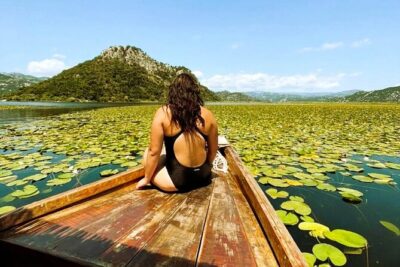
Skadar Lake National Park Guided Boat Tour with Wooden Boat
Read our review →
Best from our coast (Kotor bay, Budva, Sv Stefan, Skadar lake)
Read our review →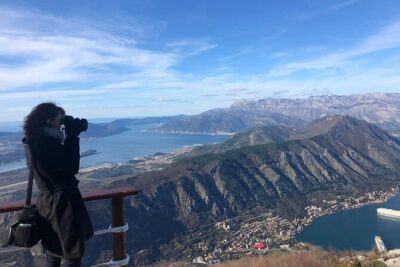
GREAT MONTENEGRO TOUR Cetinje – Njeguši – Kotor – Budva – Bečići – Saint Stefan
Read our review →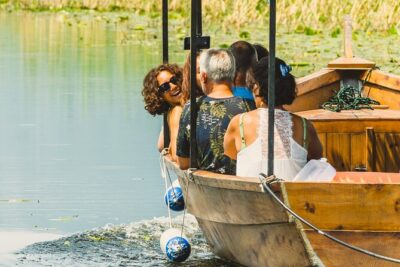
Skadar Lake National Park: Guided Boat Tour to Kom Monastery
Read our review →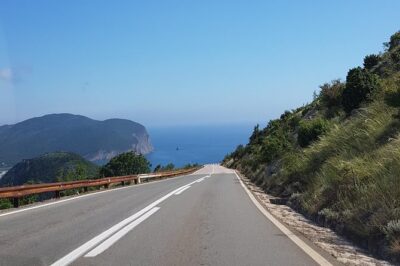
Private transfers from Podgorica Airport and city to Budva
Read our review →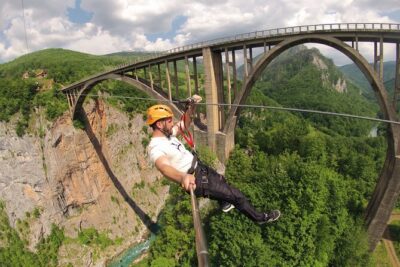
Durmitor – Black Lake & Tara River Canyon – North Montenegro tour
Read our review →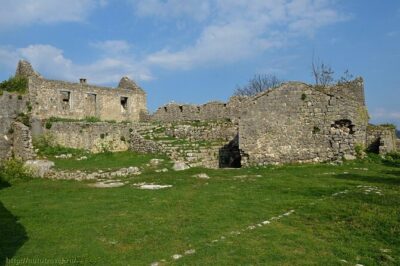
Podgorica Historic, Safari and Winery tour – Skadar lake and River Crnojevica
Read our review →
Skadar Lake & Crnojevića River: Swimming, Snacks & Wine
Read our review →Browse the lists this tour appears in